
More than 80 percent of Australians access websites on mobile devices, yet many community-based organizations in Sydney still miss crucial accessibility and performance benchmarks. For digital marketing managers, building an ethical online presence demands more than meeting basic British standards: it requires diligent website optimization that welcomes every user. This guide reveals practical strategies for smoother navigation, faster load times, robust security, and authentic SEO, empowering your community brand to foster meaningful engagement while upholding inclusive values.
Table of Contents
- 1. Conduct An Accessibility Audit For All Users
- 2. Improve Site Speed With Efficient Images
- 3. Optimise SEO With Ethical Keyword Strategies
- 4. Ensure Mobile Responsiveness Across Devices
- 5. Implement Clear, User-Friendly Navigation
- 6. Monitor Security With Regular Updates
- 7. Track Performance Using Analytics Tools
Quick Summary
| Key Message | Explanation |
|---|---|
| 1. Conduct Regular Accessibility Audits | Regular accessibility audits can identify barriers for users with disabilities, ensuring equal access to your website content for everyone. |
| 2. Optimise Images for Faster Loading | Efficient image optimisation techniques can enhance site speed and improve user experience by reducing load times and bounce rates. |
| 3. Implement Ethical SEO Strategies | Focus on genuine user needs through ethical keyword strategies to create valuable content that resonates with your audience and improves rankings. |
| 4. Ensure Mobile Responsiveness | Mobile responsiveness is essential, requiring flexible design and functionality across all devices to accommodate 80% of mobile users effectively. |
| 5. Regularly Monitor Website Security | Continuous monitoring and timely updates to security systems protect user data and maintain trust in your digital platform. |
1. Conduct an Accessibility Audit for All Users
Accessibility is not just a technical requirement but a fundamental commitment to inclusivity for your digital platform. A comprehensive accessibility audit ensures that your website provides an equitable experience for all users, regardless of their abilities or the technologies they use.
Website accessibility means creating digital spaces that everyone can navigate and interact with, including people with visual, auditory, motor, or cognitive disabilities. By conducting a thorough accessibility audit, you identify and remove potential barriers that might prevent users from fully engaging with your online content.
The audit process involves a systematic evaluation of your website against established standards like the Web Content Accessibility Guidelines (WCAG) 2.2 Level AA. This involves both automated testing and manual inspection across multiple devices and assistive technologies. The goal is to uncover any potential obstacles that could impede user experience.
Key aspects of an accessibility audit include:
- Screen Reader Compatibility: Ensuring content can be understood when read aloud by assistive technologies
- Keyboard Navigation: Verifying all website functions are operable without a mouse
- Colour Contrast: Checking colour schemes provide sufficient contrast for users with visual impairments
- Alternative Text: Confirming images have descriptive text for users who cannot see them
- Form Accessibility: Testing that form fields are properly labelled and can be completed by all users
Professional services like the Centre for Accessibility Australia offer comprehensive auditing that goes beyond basic automated checks, including user testing with individuals with disabilities to provide genuine insights.
Pro tip: Consider scheduling accessibility audits quarterly and treating them as an ongoing process of continuous improvement rather than a one-time checklist exercise.
2. Improve Site Speed with Efficient Images
Images play a critical role in website performance, directly impacting user experience and search engine rankings. Inefficient image handling can significantly slow down your website, leading to higher bounce rates and reduced user engagement.
Optimising images involves strategic approaches to reduce file sizes without compromising visual quality. Effective image management techniques can dramatically improve site speed and accessibility for all users.
Key strategies for image efficiency include:
- Compress Images: Reduce file size while maintaining acceptable visual quality
- Select Appropriate Formats: Use WebP or modern compression formats
- Implement Responsive Images: Serve different image sizes based on device screen
- Leverage Browser Caching: Enable long-term storage of image files
- Use Lazy Loading: Load images only when they enter the viewer’s screen
The 6 Ui Jpeg approach demonstrates how strategic image optimisation can boost web performance by up to 42 percent. This method involves progressive rendering, quality budgeting, and efficient metadata handling to streamline image delivery.
Practical implementation means using tools that automatically compress and resize images, choosing the right file format for each image type, and avoiding unnecessary graphic complexity.
Pro tip: Regularly audit your website’s image library and establish a consistent image optimisation workflow to maintain optimal performance.
3. Optimise SEO with Ethical Keyword Strategies
Search engine optimisation represents far more than merely inserting popular phrases into your website. True SEO excellence demands a strategic approach that prioritises genuine user value and meaningful content connections.
Ethical keyword strategies focus on understanding and addressing user intent rather than manipulating search algorithms. This means creating content that genuinely answers user questions and provides substantive information.
Key principles of ethical keyword optimisation include:
- Research User Intent: Understand the underlying questions behind search queries
- Create Relevant Content: Develop comprehensive, valuable information that matches search expectations
- Natural Language Integration: Incorporate keywords seamlessly without forced insertion
- Prioritise User Experience: Ensure content reads naturally and provides real value
- Avoid Keyword Stuffing: Reject outdated tactics that compromise content quality
Successful SEO requires a nuanced approach that balances technical optimisation with authentic storytelling. This means developing content that speaks directly to your audience’s needs while maintaining structural clarity for search engines.
Professional research indicates that websites focusing on high quality, user centred content consistently outperform those using manipulative keyword techniques. The goal is to become a trusted resource rather than simply achieving temporary search rankings.
Pro tip: Conduct quarterly content audits to ensure your keywords remain aligned with current user search behaviours and maintain genuine relevance to your community brand.
4. Ensure Mobile Responsiveness Across Devices
Mobile responsiveness is no longer an optional feature but a critical requirement for websites serving community brands. With over 80 percent of Australians accessing websites through mobile devices, creating a seamless experience across smartphones, tablets, and desktops has become essential.
Mobile accessibility standards require websites to function effectively regardless of screen size or device type. This means designing flexible layouts that adapt intuitively to different display dimensions while maintaining content clarity and navigational ease.
Key strategies for achieving mobile responsiveness include:
- Fluid Grid Layouts: Create proportional design elements that scale automatically
- Flexible Image Sizing: Ensure graphics resize without losing quality
- Touch-Friendly Navigation: Design buttons and menus for touchscreen interaction
- Prioritise Content Hierarchy: Simplify mobile view without losing essential information
- Performance Optimisation: Reduce load times for slower mobile connections
Professional web design goes beyond simple scaling. It involves understanding how users interact with content on smaller screens, anticipating their needs, and delivering an equally compelling experience across all devices.
Testing remains crucial. Utilise real device testing, emulators, and responsive design tools to verify your website performs seamlessly across different platforms and screen sizes.
Pro tip: Conduct monthly mobile usability tests using actual devices from different manufacturers to catch potential responsiveness issues before they impact user experience.
5. Implement Clear, User-Friendly Navigation
Website navigation serves as the roadmap guiding users through your digital ecosystem, transforming complex information into an intuitive journey. A well-designed navigation system is the difference between user engagement and frustration.
User-centred navigation design prioritises simplicity, clarity, and accessibility for all website visitors. This means creating pathways that feel natural and effortless, allowing users to find information quickly without cognitive overload.
Key principles for effective website navigation include:
- Logical Hierarchy: Organise content from broad categories to specific details
- Consistent Placement: Keep navigation menus in predictable locations
- Descriptive Labels: Use clear, straightforward language for menu items
- Minimal Complexity: Limit main menu options to 57 essential categories
- Active State Indicators: Show users their current location within the site
Professional web design recognises that navigation is more than visual aesthetics. It is a communication tool that helps users understand where they are, where they can go, and how to achieve their objectives efficiently.
Accessibility remains paramount. Ensure your navigation works seamlessly across different devices, supports keyboard navigation, and provides alternative methods for users with diverse abilities.
Pro tip: Conduct quarterly user testing sessions to validate and refine your navigation structure, observing real users interacting with your website to identify potential improvement areas.
6. Monitor Security with Regular Updates
Website security is not a one-time achievement but an ongoing commitment to protecting your digital ecosystem and user trust. Cybersecurity threats evolve rapidly, making regular updates a critical defence mechanism for community brands.
Cybersecurity experts recommend proactive update strategies that go beyond passive maintenance. This means developing a systematic approach to monitoring and implementing security patches across all digital platforms and software systems.
Key strategies for maintaining robust website security include:
- Automated Update Mechanisms: Enable automatic software updates where possible
- Regular Vulnerability Assessments: Conduct periodic security scans
- Patch Management: Install software updates immediately upon release
- Trusted Software Sources: Download updates only from verified platforms
- Multi Layer Security: Implement comprehensive security protocols
Professional cybersecurity approaches recognise that vulnerabilities can emerge quickly. Delaying updates by even a few weeks can expose your website to potential security breaches that might compromise user data and organisational reputation.
Beyond technical updates, maintaining security requires a culture of vigilance. This means staying informed about emerging cyber threats, understanding potential vulnerabilities, and responding swiftly to any identified risks.
Pro tip: Create a quarterly security review calendar that includes systematic checks of all digital platforms, ensuring no critical update or vulnerability assessment is overlooked.
7. Track Performance Using Analytics Tools
Data is the compass that guides intelligent digital strategy, transforming raw website metrics into meaningful insights about user behaviour and organisational performance. Analytics tools provide a window into your digital ecosystem, revealing opportunities for growth and improvement.
Performance analytics support strategic decision making by translating complex user interactions into actionable intelligence. Understanding these metrics allows community brands to continuously refine their online presence and deliver more targeted, effective digital experiences.
Key performance tracking strategies include:
- User Journey Mapping: Understand how visitors interact with your website
- Conversion Rate Analysis: Measure the effectiveness of your digital pathways
- Engagement Metrics: Track time spent, page views, and interaction depth
- Traffic Source Evaluation: Identify which channels drive most visitors
- Audience Segmentation: Understand different user group behaviours
Successful analytics implementation goes beyond collecting data. It requires developing a nuanced understanding of what metrics truly matter for your specific community brand and organisational goals.
Professional analytics approaches integrate both quantitative data and qualitative insights, creating a holistic view of digital performance that supports strategic planning and continuous improvement.
Pro tip: Schedule monthly analytics review sessions where you not only examine the data but discuss its strategic implications with your team, transforming numbers into meaningful action plans.
Below is a comprehensive table summarising the key strategies and actions for optimising website performance and ensuring inclusivity as outlined in the article.
| Strategy | Key Actions | Expected Outcomes |
|---|---|---|
| Conduct an Accessibility Audit | Evaluate website against WCAG 2.2 standards; include screen reader compatibility and keyboard navigation | Enhanced inclusivity and usability for all user groups |
| Improve Site Speed via Image Optimisation | Utilise image compression, responsive formats, and lazy loading techniques | Faster website load times and improved user experience |
| Optimise SEO with Ethical Strategies | Research user intent, use natural language integration, and avoid keyword stuffing | Increased search engine rankings and better alignment with user needs |
| Ensure Mobile Responsiveness | Implement fluid grid layouts, touch-friendly navigation, and test on various devices | Seamless experience across all screen sizes |
| Implement Clear, User-Friendly Navigation | Maintain logical structure, consistent placement, and descriptive labels | Simplified user journeys and reduced frustration |
| Monitor Website Security | Apply regular software updates, conduct security audits, and enable automated update processes | Improved website security and user trust |
| Track Performance Through Analytics | Map user journeys, analyse traffic sources, and segment audiences | Data-informed decisions leading to continuous website improvement |
Transform Your Community Brand’s Online Presence with Marzipan
The challenges of website optimisation outlined in the “7-Step Website Optimisation Checklist for Community Brands” highlight key areas such as accessibility, ethical SEO, mobile responsiveness, and security. These elements are crucial for mission-led brands that seek to build trust and deliver meaningful user experiences without compromise. If you are striving to overcome these specific pain points and achieve a website that performs seamlessly for everyone while scaling impact sustainably then our specialised approach at Marzipan can help.
We combine ethical AI, sustainable web design, and performance-driven SEO strategies that align perfectly with the values of community-based organisations. From ensuring your site meets accessibility standards and is optimised for all devices to applying genuine keyword strategies and robust security updates, we help you transform your digital footprint. Discover how you can build a website that not only attracts attention but fosters real connections by visiting Websites built to perform.
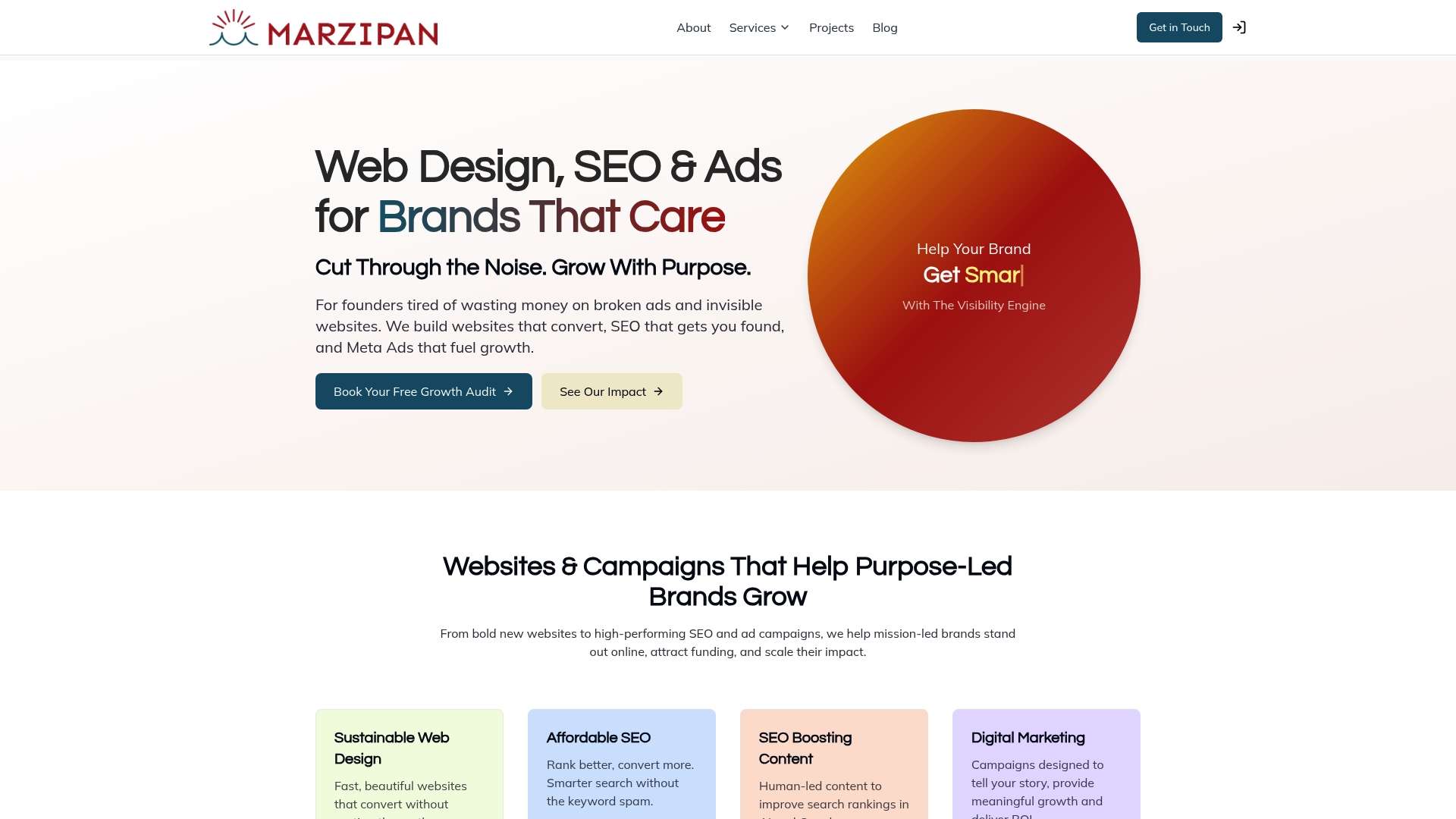
Ready to elevate your community brand with purpose-driven digital solutions that do not cost the earth? Explore our expertise in creating online experiences that grow impact authentically and sustainably. Take the next step now by visiting Marzipan’s homepage and partnering with us to craft a website optimised for success and inclusion.
Frequently Asked Questions
What is an accessibility audit, and how do I conduct one for my website?
An accessibility audit evaluates your website to ensure it meets the needs of users with disabilities. Start by reviewing your site against the Web Content Accessibility Guidelines (WCAG) and conducting both automated and manual checks. Aim to complete this audit within a month to identify barriers effectively.
How can I improve image efficiency on my website?
To improve image efficiency, compress images and use appropriate formats like WebP. Implement lazy loading to ensure images load only as needed, which can enhance site speed by approximately 42%. Regularly review your image library every few months to maintain optimal performance.
What are ethical keyword strategies for SEO optimisation?
Ethical keyword strategies involve researching user intent and creating relevant content that genuinely answers their queries. Focus on naturally integrating keywords while avoiding keyword stuffing. Conduct content audits quarterly to align keywords with current user behaviours and needs.
How do I ensure my website is mobile responsive?
To ensure mobile responsiveness, adopt fluid grid layouts and flexible image sizing that adapts to different screens. Regularly conduct usability tests on a variety of devices every month to identify potential navigation issues. This approach ensures a seamless experience for all users.
What should I do to enhance website navigation?
Enhance website navigation by organising content logically and using clear labels. Keep navigation elements consistent in placement and limit main menu options to essential categories. Review and test your navigation structure with real users every three months for ongoing improvement.
How can I monitor my website’s performance effectively?
To monitor performance, utilise analytics to track user journeys and engagement metrics. Schedule monthly review sessions to analyse data and discuss its implications for improving user experience. This consistent approach helps you adapt strategies based on user behaviour.
Recommended
- Responsive Design: Why It Matters for Community Brands – Marzipan
- 8 Essential Steps in Your SEO Audit Checklist – Marzipan
- What Is Local SEO and Why It Matters in Sydney – Marzipan
- SEO Audit Check: Complete Guide for Sydney Businesses – Marzipan
- Branding for Small Restaurants: Building Loyalty in Canada – Probe IT