Building a community organisation website means more than just putting information online. You need a design that can clarify your mission, encourage participation, and make access easy for every visitor. Getting the layout right is often the difference between attracting genuine support and losing potential members in confusion.
This guide will reveal proven layout techniques that help community groups showcase their purpose, share resources, and inspire action. Each approach brings concrete ideas you can apply, whether your goal is boosting donations, promoting events, or ensuring accessibility for all.
We wrote this because we build a lot of websites for Community Groups, Non-Profits and Charities and understand the weight they carry.
Discover practical solutions with clear examples that will improve how your website serves your community. You are about to find actionable ways to make your site welcoming, professional, and genuinely impactful.
Table of Contents
- Homepage-First Layout: Highlighting Your Mission
- Storytelling Layout: Engaging Community Audiences
- Directory Layout: Easy Access to Resources
- Event-Focused Layout: Promoting Community Activities
- Minimalist Layout: Fast and Ethical User Experience
- Donation-Driven Layout: Boosting Support for Purpose
- Accessible Layout: Inclusive Design for All Users
Quick Summary
| Takeaway | Explanation |
|---|---|
| 1. Design for core mission visibility | Prioritise your organisation’s mission on the homepage for immediate impact and connection. |
| 2. Incorporate compelling storytelling | Use visual narratives to engage visitors emotionally and drive them towards your cause. |
| 3. Streamline information with directories | Create accessible navigation systems to help users find resources quickly and efficiently. |
| 4. Focus on user-friendly event layouts | Make event information enticing and easy to navigate to boost community participation. |
| 5. Ensure inclusivity in design | Develop websites that accommodate users of all abilities and enhance overall accessibility. |
1. Homepage-First Layout: Highlighting Your Mission
A powerful homepage serves as the digital frontispiece for community organisations, instantly communicating your purpose and vision. Your homepage acts as the primary gateway for engaging potential supporters and clearly articulating your mission.
The homepage-first layout prioritises your organisation’s core message by placing mission-critical information front and centre. This approach ensures visitors understand your work within seconds of arriving at your website. By strategically designing your homepage, you create an immediate emotional connection that can transform casual browsers into committed supporters.
Key elements of an effective mission-focused homepage include:
- A bold, compelling headline that summarises your primary goal
- High-quality visual imagery representing your work and impact
- Clear, concise mission statement positioned prominently
- Immediate call-to-action buttons for engagement
- Authentic storytelling that highlights community transformation
Research indicates that academic websites effectively communicate institutional identity through purposeful design. The same principles apply to community organisation websites: your digital presence must reflect your professional credibility and forward-looking vision.
When designing your homepage, focus on creating a narrative journey that guides visitors from initial curiosity to deeper understanding. Use compelling visuals, authentic language, and strategic information architecture to make your mission feel immediate and urgent.
Effective homepage layouts also consider user experience. Ensure your design is responsive, accessible, and allows visitors to quickly understand how they can participate or support your work.
Pro tip: Conduct user testing to ensure your homepage communicates your mission clearly and compellingly within the first three seconds of a visitor’s arrival.
2. Storytelling Layout: Engaging Community Audiences
Storytelling layouts transform websites from static information repositories into dynamic, emotionally resonant experiences that connect deeply with community audiences. These layouts prioritise narrative flow and human connection over traditional design approaches.
By integrating visual storytelling techniques, community organisations can create websites that do more than inform they inspire and motivate action. The storytelling layout moves beyond simple information presentation to craft a compelling narrative arc that draws visitors into your mission.
Key elements of an effective storytelling website layout include:
- Chronological or thematic narrative progression
- Authentic personal stories and testimonials
- Visual content that illustrates community impact
- Interactive elements that invite visitor participation
- Emotional and sensory-rich design elements
Successful storytelling requires strategic content placement. Consider using techniques like powerful brand storytelling examples to understand how narratives can transform audience engagement.
A well-crafted story can transform passive website visitors into active community supporters.
Design your storytelling layout to guide visitors through an emotional journey. Start with an engaging hook that captures attention, then progressively reveal your community’s challenges, solutions, and transformative impacts.
Each section of your website should feel like a chapter in a larger narrative, with clear connections between different stories and experiences. Use multimedia elements like photographs, videos, and graphics to make your storytelling more immersive and engaging.
Pro tip: Map out your website’s narrative arc like a storyboard, ensuring each section connects emotionally and logically to create a cohesive journey for your visitors.
3. Directory Layout: Easy Access to Resources
A directory layout transforms complex information networks into user-friendly, intuitive navigation systems that empower community members to find resources quickly and efficiently. This approach prioritises accessibility and streamlined information discovery.
Directory layouts solve the critical challenge of information overload by creating clear, logical pathways to essential resources. By implementing strategic organisation principles community websites can dramatically improve user experience and engagement.
Key components of an effective directory layout include:
- Alphabetical and categorical sorting systems
- Advanced search functionality
- Clear hierarchical navigation
- Mobile-responsive design
- Intuitive filtering options
- Minimal click-through requirements
Inspired by library website design principles, directory layouts can revolutionise how community organisations present information. The National Library of Australia exemplifies this approach with its comprehensive eResources portal that enables seamless resource discovery.
A well-designed directory transforms information chaos into structured, accessible knowledge.
When implementing a directory layout consider user experience at every stage. Break down complex information into digestible categories that reflect your community’s actual navigation patterns. Use clear language and avoid technical jargon that might confuse visitors.
Effective directory designs anticipate user needs by creating multiple entry points to the same information. This might involve cross-referencing resources creating thematic collections and providing contextual guidance.
Pro tip: Conduct user testing to validate your directory layout navigation and refine categories based on actual user interaction patterns and feedback.
4. Event-Focused Layout: Promoting Community Activities
An event-focused website layout transforms digital platforms into dynamic engagement tools that inspire community participation and connection. These specialised layouts serve as powerful catalysts for bringing people together and amplifying community activities.
Event-focused layouts prioritise clear communication and user-friendly design to make event discovery seamless and exciting. By strategically presenting information community organisations can significantly increase attendance and engagement.
Critical elements of an effective event-focused website layout include:
- Prominent event calendars with detailed information
- Clear registration and ticketing mechanisms
- Mobile-responsive design for easy access
- Visual storytelling about event purposes
- Interactive maps and location details
- Real-time updates and notifications
Inspired by event website design strategies, successful layouts transform passive information sharing into active community participation. The goal is to create an immersive digital experience that mirrors the energy of live community events.
An exceptional event website does more than inform it inspires action and builds anticipation.
Design your event layout to tell a compelling story. Start with eye-catching visuals that communicate the event’s purpose and emotional significance. Use engaging descriptions that help potential participants understand not just what will happen but why it matters.
Consider accessibility in every design choice. Ensure that event information is easy to read on multiple devices and that registration processes are straightforward and inclusive.
Pro tip: Integrate social sharing buttons and create event-specific hashtags to extend your event’s digital reach and encourage community members to spread the word.
5. Minimalist Layout: Fast and Ethical User Experience
Minimalist website layouts represent a powerful approach to digital design that prioritises clarity clarity simplicity and user-centred experience. These designs strip away unnecessary visual noise to create websites that are both aesthetically elegant and functionally superior.
Minimalist design philosophy transforms web experiences by focusing on essential elements that truly matter to users. By eliminating visual clutter designers create intuitive digital environments that enhance user engagement and accessibility.
Key principles of minimalist website layouts include:
- Strategic use of white space
- Limited colour palettes
- Clean typography
- Streamlined navigation
- Fast loading times
- Purposeful visual elements
- Responsive design across devices
Designing with minimalism means making every visual element count. Web design approaches that embrace simplicity can dramatically improve user experience and website performance.
Minimalism is not about removing everything meaningful but about highlighting what truly matters.
Effective minimalist layouts communicate through intelligent design choices. Each element serves a specific purpose eliminating distractions and guiding users precisely where they need to go. This approach reduces cognitive load and creates a more comfortable browsing experience.
Consider how colour typography and spacing work together to create hierarchy and guide user attention. A well-designed minimalist layout feels both calming and purposeful allowing content to shine without unnecessary embellishments.
Pro tip: Conduct regular user testing to ensure your minimalist design maintains clarity and does not accidentally remove crucial navigational or informational elements.
6. Donation-Driven Layout: Boosting Support for Purpose
A donation-driven website layout transforms digital platforms into powerful engines of community support by creating emotionally compelling and user-friendly fundraising experiences. These strategically designed layouts bridge the gap between organisational mission and donor motivation.
Donation-focused design goes beyond aesthetic appeal to create psychological pathways of engagement that inspire visitors to contribute meaningfully. The layout serves as a critical interface between community needs and potential supporter actions.
Key elements of an effective donation-driven layout include:
- Transparent impact storytelling
- Simple donation mechanisms
- Mobile-responsive forms
- Recurring donation options
- Clear value propositions
- Secure payment integrations
- Emotional visual narratives
Research highlights non-profit website design strategies that transform digital interactions into meaningful support opportunities. Successful layouts create immediate emotional connections that motivate donors.
Effective donation pages communicate purpose before requesting financial commitment.
Prioritise storytelling that demonstrates tangible outcomes of donations. Show precisely how contributions create real-world change rather than relying on generic appeals. Use authentic imagery real community stories and clear financial breakdowns to build donor trust.
Make donation processes extraordinarily straightforward. Reduce form complexity eliminate unnecessary steps and provide multiple giving options that accommodate different donor preferences and capacities.
Pro tip: Create donation tiers with specific impact descriptions to help donors understand exactly how their contribution translates into meaningful community outcomes.
7. Accessible Layout: Inclusive Design for All Users
Accessible website layouts transform digital experiences by creating environments that welcome and support users of all abilities. These designs go beyond compliance to embrace genuine inclusivity and universal usability.
Inclusive digital design recognises that users interact with websites through diverse technological and personal contexts. The goal is creating seamless digital experiences that adapt to individual user needs rather than forcing users to adapt to rigid design constraints.
Key principles of an accessible website layout include:
- Clear hierarchical information structures
- Keyboard navigation support
- High colour contrast options
- Alternative text for images
- Logical reading flow
- Simple language and instructions
- Screen reader compatibility
Research highlights digital inclusion design principles that prioritise user experience across different abilities and contexts. Successful accessible layouts consider temporary and permanent accessibility challenges.
Accessibility is not a feature it is a fundamental human right in digital spaces.
Designing for accessibility means understanding user diversity. Consider how different users might interact with your content visual impairments temporary disabilities varying technological capabilities or situational constraints like bright sunlight or limited bandwidth.
Implement design choices that create flexible user experiences. Use clear typography provide multiple content formats and ensure your website functions effectively across different devices and assistive technologies.
Pro tip: Regularly test your website with actual users representing diverse abilities and gather direct feedback to continually improve your inclusive design approach.
Below is a comprehensive table summarising the various website layout strategies and their key characteristics and benefits as explored in the article.
| Layout Type | Characteristics | Benefits |
|---|---|---|
| Homepage-First Layout | Bold headlines, mission-driven content, and strong immediate attention to vision and purpose. | Engages users immediately, builds an emotional connection, and encourages support from the first interaction. |
| Storytelling Layout | Emphasises narrative flow, personal stories, multimedia elements, and emotional engagement. | Connects deeply with the audience through authentic storytelling, transforming passive visitors into active supporters. |
| Directory Layout | Clear hierarchical navigation, search functionality, and mobile responsiveness for all resources. | Streamlines resource discovery, reducing barriers to accessing the necessary information efficiently. |
| Event-Focused Layout | Integrated event calendars, registration links, engaging descriptions, and accessibility considerations. | Enhances user engagement, simplifies event participation, and fosters a sense of community involvement. |
| Minimalist Layout | Focuses on simplicity, essential visual elements, speed, and clarity. | Improves user experience by reducing cognitive load and enhancing navigation, providing a more intuitive digital experience. |
| Donation-Driven Layout | Effective storytelling, impactful visuals, and secure and simplified donation processes. | Increases fundraising efficacy by creating motivational and convenient donation pathways. |
| Accessible Layout | Includes high contrast visuals, logical structure, keyboard navigation, and screen-reader compatibility. | Ensures inclusivity, adhering to accessibility standards and delivering equitable experiences for diverse user groups. |
Transform Your Community Website with Purpose and Impact
Community organisations face the challenge of making their missions clear, engaging audiences emotionally, and driving meaningful action. Whether you seek to create a storytelling layout that connects visitors through authentic narratives or a donation-driven layout that simplifies support, your website must combine clarity, accessibility and emotional resonance to truly scale your impact.
At Marzipan, we specialise in building websites that perform for purpose-led organisations. By blending ethical AI, sustainable web design and performance-driven SEO strategies, we ensure your site is fast, accessible and aligned with your values. From intuitive navigation inspired by directory layouts to captivating event pages that mobilise communities, we create digital experiences designed to transform casual visitors into committed supporters.
Elevate your online presence today. Explore how web design for community-based organisations can help you tell your story and boost engagement without compromising integrity.
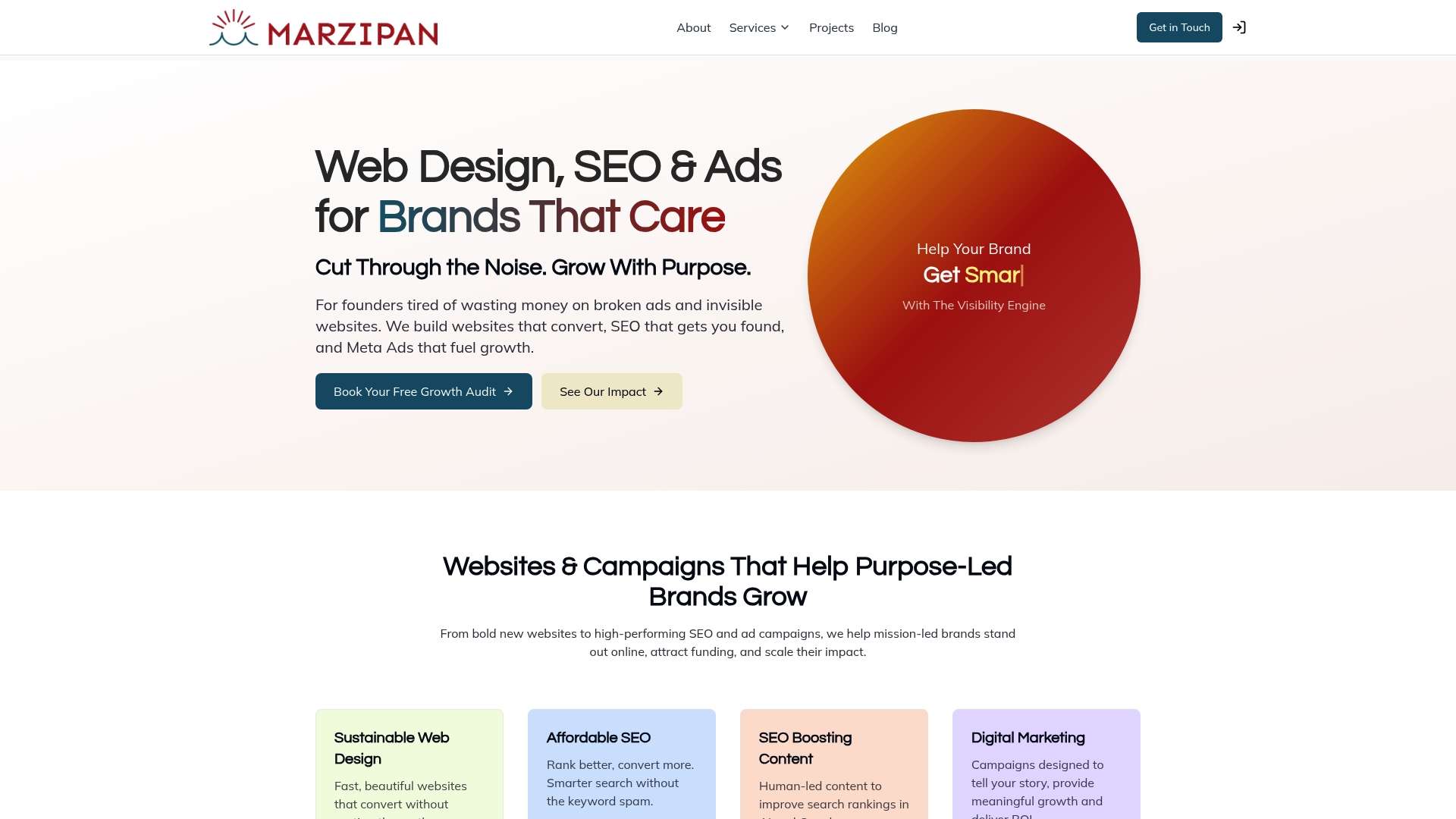
Ready to build a website that grows your community impact authentically and effectively Visit Marzipan now to discover tailored solutions crafted for mission-driven brands. Let us help you create a site that not only attracts attention but connects and converts visitors into lifelong advocates.
You may also like our Free Resource: Rebuilding with Care
A free guide for purpose-driven organisations considering a website refresh or rebuild
We wrote this for community organisations, legal centres, and advocacy groups in Sydney who are navigating a digital rebuild. It covers trauma-informed design, accessibility, content strategy, and how to choose a digital partner who understands your mission
Frequently Asked Questions
What are the key elements of a homepage-first layout for community organisations?
A homepage-first layout should feature a bold headline summarising your mission, high-quality visuals of your impact, a prominent mission statement, clear calls to action, and authentic storytelling. To create a compelling homepage, ensure that these elements are positioned prominently for immediate visitor engagement.
How can I effectively use storytelling in my website layout?
An effective storytelling layout incorporates narrative progression, personal stories, and visual content. Map out your website’s narrative arc like a storyboard to guide visitors through an emotional journey that connects them to your community’s mission.
What should I consider when designing a directory layout?
Focus on user-friendliness by offering clear sorting systems, advanced search functionality, and intuitive filtering options. Break down complex information into digestible categories to improve accessibility and help users find resources quickly.
How can I increase attendance for community events using my website layout?
Utilise an event-focused layout that includes a prominent event calendar, straightforward registration mechanisms, and real-time updates. Design engaging visuals and clear descriptions to capture the essence of your events and inspire community participation.
What principles should I follow for an accessible website layout?
Adopt principles that enhance inclusivity, such as keyboard navigation support, high colour contrast, and alternative text for images. Regularly test your website with users representing diverse abilities to gather feedback and improve the overall design experience.
How can I create an effective donation-driven layout?
An effective donation-driven layout should feature transparent impact storytelling, simple donation processes, and secure payment options. Highlight how contributions lead to real-world change and create tiered donation options to illustrate the impact of different giving levels.