TL;DR:
- The internet contributes significantly to global CO2 emissions, comparable to the aviation industry.
- Eco-friendly digital design involves lifecycle thinking, resource efficiency, and culturally relevant practices.
- Practical steps include choosing renewable hosting, optimizing website performance, and ongoing sustainability measurement.
The internet is not a neutral space when it comes to environmental impact. The web accounts for 2 to 3.7% of global CO2 output, a figure comparable to the aviation industry. For community-based organisations in Australia, this matters. Your digital presence is an extension of your values, and the choices you make online, from hosting to site structure, carry a real environmental cost. This article explains what eco-friendly design means across both physical and digital contexts, outlines the core principles behind it, and provides practical steps your organisation can take to reduce its digital footprint while strengthening its mission online.
Table of Contents
- What is eco-friendly design?
- Core principles and approaches
- Practical eco-friendly digital design: Websites, hosting and more
- Branding, communication and biophilia: The human and cultural side
- Measuring success and continuous improvement
- A fresh perspective: Moving beyond ‘less harm’ to regeneration
- How Marzipan can help your sustainable success
- Frequently asked questions
Key Takeaways
| Point | Details |
|---|---|
| Holistic impact matters | Eco-friendly design means evaluating and improving environmental impact across the entire lifecycle, both offline and online. |
| Digital choices have weight | Selecting green hosts and optimising site performance can cut website-related CO2 by over 50%. |
| Branding builds trust | Authentic, biophilic branding and communication attract eco-conscious audiences and reinforce community credibility. |
| Iterative approach wins | Regular auditing, benchmarking, and transparent reporting lead to meaningful and continuous sustainability progress. |
| Country-led design stands out | Incorporating Country-centred and regenerative principles adds authenticity and greater impact for Australian organisations. |
What is eco-friendly design?
Eco-friendly design is broader than choosing recycled materials or energy-efficient appliances. As sustainable design explained by Siemens, it is “a holistic approach to creating products, buildings, websites, and systems that minimise environmental impact across their lifecycle while promoting regeneration, resource efficiency, and harmony with natural ecosystems.”
This definition is important because it includes websites and digital systems. Every page load, every image file, every server request draws on energy. The cumulative effect of millions of websites operating inefficiently is significant.
Eco-friendly design is not a single action. It is a set of decisions made across the full lifecycle of a product, service, or system, with the goal of reducing harm and supporting regeneration.
For Australian community organisations, adopting eco-friendly design practices offers several concrete benefits:
- Mission alignment: Your digital presence reflects your values. A sustainable website signals consistency between what you say and what you do.
- Digital trust: Audiences are increasingly aware of greenwashing. A genuinely sustainable site builds credibility.
- SDG support: Eco-friendly design contributes to the United Nations Sustainable Development Goals, particularly those related to climate action and responsible consumption.
- Community relevance: Organisations connected to Renew Australia and similar bodies are already operating in sustainability-focused networks where digital practices are increasingly scrutinised.
For further context on how sustainability intersects with everyday business decisions, the eco-friendly business tips resource from Marzipan offers a useful starting point.
Core principles and approaches
Understanding eco-friendly design at a practical level means engaging with several established frameworks. According to eco-friendly home design research, core mechanics include lifecycle thinking, resource and energy efficiency, sustainable material selection, durability, repairability, circularity, and energy-efficient systems. These principles apply equally to digital environments.
Here is how each principle translates into action for community organisations:
- Lifecycle thinking: Consider the full journey of your digital assets, from domain registration and hosting to site retirement. Decisions made early have long-term consequences.
- Resource efficiency: Reduce the energy your website consumes by minimising unnecessary scripts, compressing images, and streamlining page structure.
- Circularity: Reuse and repurpose digital content rather than creating new assets unnecessarily. Update existing pages rather than building new ones from scratch.
- Country-led approaches: In Australia, sustainable design increasingly draws on Indigenous knowledge and connection to Country. This means designing with local ecological and cultural context in mind, not just applying global frameworks.
The NESP Sustainable resources programme provides Australian-specific guidance for organisations seeking to apply these principles in a local context.
Pro Tip: Before redesigning your website, conduct a content audit. Removing unused pages and consolidating duplicate content reduces server load and improves both sustainability and SEO performance. For a clear explanation of relevant terms, the sustainable web terminology guide is a practical reference.
It is also worth reviewing your green hosting options early in any design or redesign process, as hosting is one of the highest-impact decisions you can make.
Practical eco-friendly digital design: Websites, hosting and more
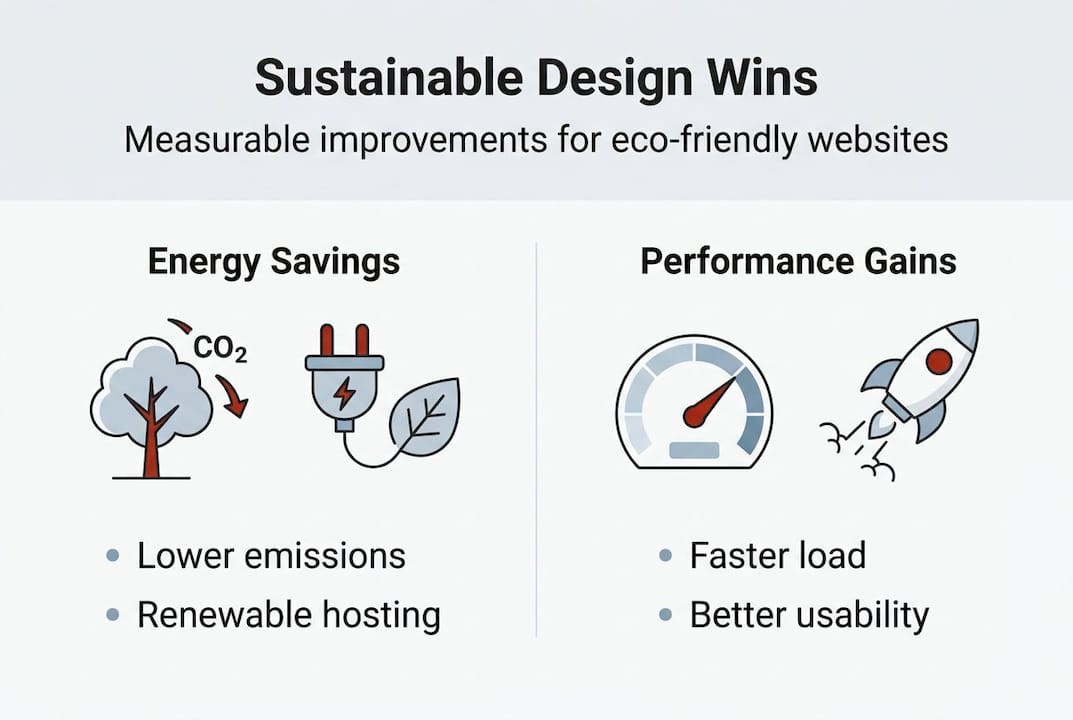
The most immediate action a community organisation can take is to assess its web hosting. Sustainable sites reduce emissions by 50 to 93% compared to standard hosting, depending on the provider and site configuration. That is a significant range, and it reflects how much hosting choice matters.
Here is a comparison of key eco-friendly hosting factors:
| Factor | Standard hosting | Green hosting |
|---|---|---|
| Energy source | Mixed or fossil fuel | Renewable energy |
| Carbon offset | Rarely included | Often certified |
| Transparency | Limited reporting | Published sustainability data |
| Cost | Variable | Comparable or slightly higher |
Australian providers such as VentraIP and SiteGround offer hosting options with sustainability credentials worth reviewing. A review of eco web hosts published in 2025 provides detailed comparisons for organisations making this decision.
Beyond hosting, there are several practical steps to reduce your site’s digital carbon footprint:
- Optimise images: Use modern formats such as WebP and compress files before uploading. Images are typically the largest contributor to page weight.
- Minimise scripts: Remove unused JavaScript and CSS. Every unnecessary file adds to load time and energy use.
- Use a content delivery network (CDN): A CDN serves files from servers closer to your visitors, reducing data travel distances and energy consumption.
- Register a .eco domain: This signals your commitment to sustainability and connects your organisation to a verified community of eco-conscious entities.
- Audit regularly: Tools such as Ecograder allow you to measure your site’s carbon output and identify areas for improvement.
Organisations working on sustainable web design in Sydney and across Australia are already seeing measurable results from these changes. Pairing technical improvements with a strong SEO content workflow ensures that a leaner site also performs better in search. For inspiration, reviewing examples of sustainable digital agencies can help clarify what best practice looks like in the Australian market.
Branding, communication and biophilia: The human and cultural side
Eco-friendly design is not only a technical matter. It also shapes how your organisation is perceived and how deeply it connects with its community. The Nature Design Guide highlights a key distinction: minimising harm through efficiency is not the same as actively regenerating natural and community systems. Digital sustainability is often overlooked in traditional design conversations, yet it is central to a complete eco approach.
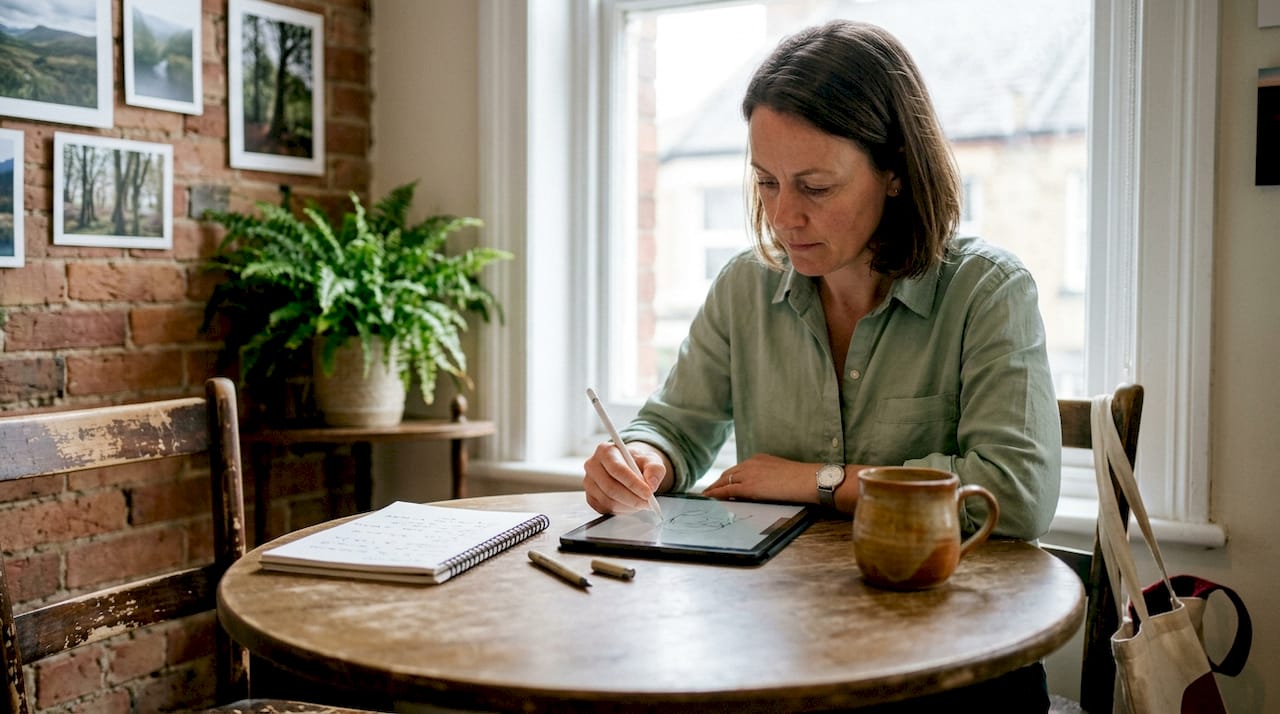
Biophilic design, which incorporates natural elements, textures, and imagery into digital environments, can increase user trust and time spent on site. For community organisations, this might mean using photography of local landscapes, native species, or community gatherings rather than generic stock images.
Here is a summary of eco branding approaches and their impact:
| Approach | Benefit | Example |
|---|---|---|
| Nature-inspired visuals | Increases trust and engagement | Local landscape photography |
| Transparent sustainability reporting | Builds credibility | Published carbon data on site |
| Country-centred storytelling | Adds cultural authenticity | Acknowledgement of Country in design |
| Consistent eco messaging | Attracts aligned stakeholders | Mission-led copy and case studies |
Key communication practices for eco-conscious organisations include:
- Storytelling: Share the journey of your sustainability efforts, including setbacks. Audiences respond to honesty.
- Transparency: Publish your environmental data, even when it is not perfect. This differentiates genuine commitment from greenwashing.
- Country-centred design: Follow Design with Country guidance from NSW Planning to ensure your approach is culturally respectful and ecologically grounded.
Pro Tip: Review your eco branding examples from similar organisations before briefing a designer. Seeing what works in your sector saves time and produces more relevant outcomes. Understanding the SEO benefits for community groups also helps make the case internally for investing in a sustainable digital presence.
Measuring success and continuous improvement
Adopting eco-friendly design is not a one-off project. It requires ongoing measurement, honest reporting, and iterative improvement. Australian resources from Renew, the Living Future Institute, and the NESP Sustainable programme support community-based organisations in benchmarking their sustainability efforts against credible standards.
A structured approach to measurement includes the following steps:
- Establish a baseline: Use Ecograder or a website carbon checker to record your current digital carbon output before making any changes.
- Set clear metrics: Define what success looks like. This might include a percentage reduction in page weight, improved Core Web Vitals scores, or a switch to certified green hosting.
- Track traffic and engagement: Sustainable sites often load faster, which improves user experience and search rankings. Monitor these alongside environmental metrics.
- Review cost savings: Green hosting and leaner sites often reduce infrastructure costs over time. Document these to make the business case internally.
- Share your results: Publishing sustainability progress on your website builds trust and invites community accountability.
Common pitfalls to avoid include greenwashing, which means making sustainability claims that are not supported by evidence, and neglecting cultural or holistic approaches in favour of purely technical fixes. A thorough website audit is the most reliable starting point for any improvement programme.
Pro Tip: Schedule a sustainability review every six months rather than annually. Digital environments change quickly, and regular check-ins allow you to respond to new tools, hosting options, and performance benchmarks as they emerge.
A fresh perspective: Moving beyond ‘less harm’ to regeneration
Most conversations about eco-friendly design focus on doing less damage. Use less energy. Generate fewer emissions. Reduce waste. These goals are valid, but they set a low bar for organisations that exist to serve communities and advance social good.
The more demanding and more meaningful question is: how can your digital presence actively contribute to regeneration? This means designing websites that support community knowledge sharing, that centre Indigenous and ecological perspectives, and that use their platform to amplify voices working toward systemic change.
Australian community organisations are well positioned to lead here. The Country-centred design movement, the strength of local environmental networks, and the growing expectation from funders and audiences that mission alignment extends to digital choices all point in the same direction. Efficiency is the floor, not the ceiling.
Organisations that treat sustainable web rebuilds as an opportunity to rethink their entire digital strategy, not just swap hosting providers, are the ones that will build lasting credibility and genuine community trust.
How Marzipan can help your sustainable success
Putting eco-friendly design into practice requires both technical expertise and a clear understanding of your organisation’s values and goals.
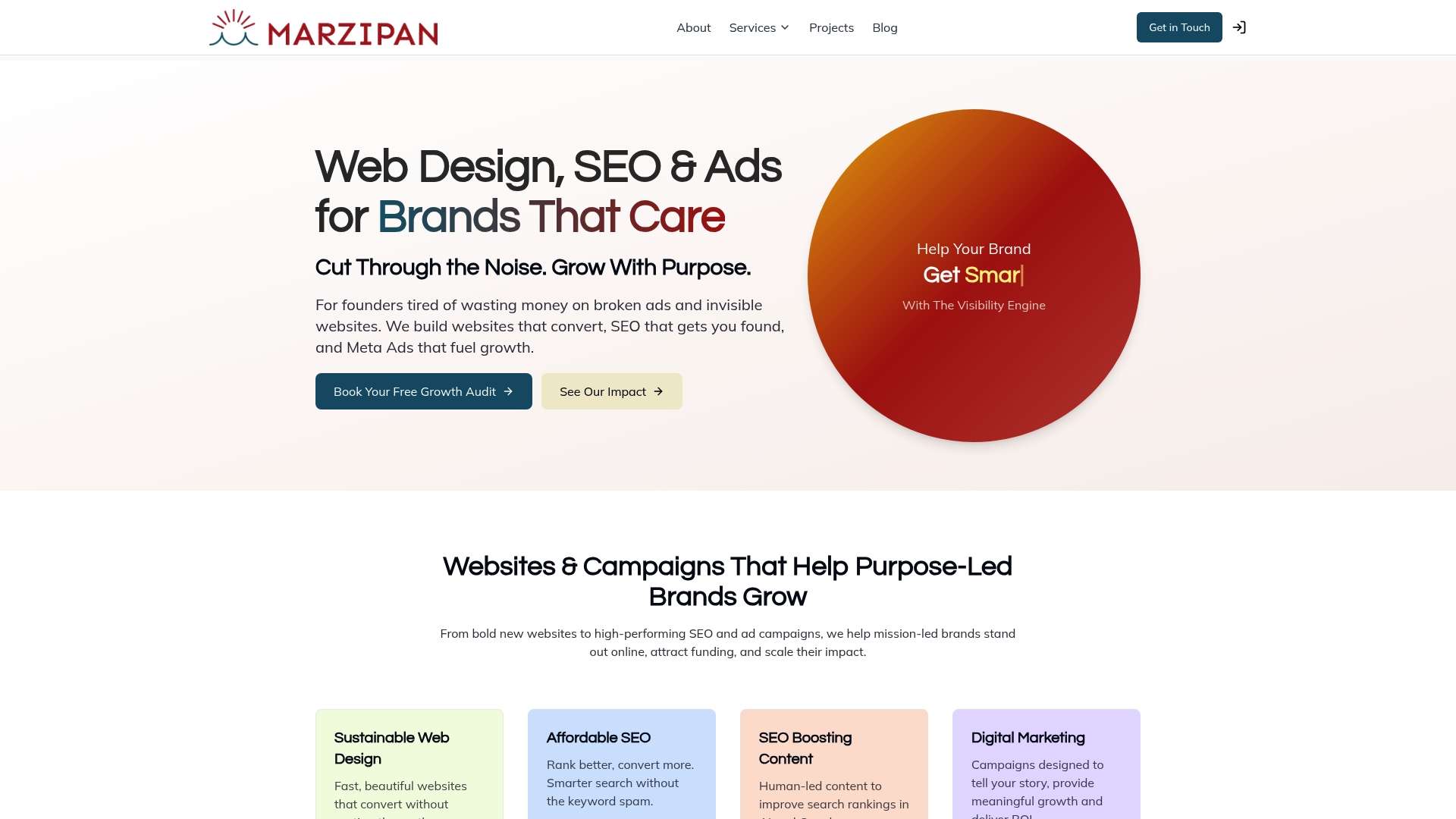
Marzipan works with community-based organisations across Australia to deliver sustainable web design that performs well and aligns with your mission. From eco-audits and green hosting recommendations to full site rebuilds and ethical SEO, the team brings practical experience to every project. You can start by running your current site through the website carbon checker to get an immediate picture of where you stand. From there, Marzipan can help you build a roadmap that reduces your digital footprint, improves performance, and strengthens your connection with the audiences that matter most to your work.
Frequently asked questions
How can a website be eco-friendly?
A website becomes eco-friendly by using green hosting, optimising performance, reducing resource use, and regularly auditing its digital carbon footprint. Sustainable sites reduce emissions by 50 to 93% compared to standard hosting, making hosting choice one of the most impactful decisions an organisation can make.
What is lifecycle thinking in eco-design?
Lifecycle thinking considers the total impact of a product or system from creation to disposal, promoting decisions that reduce harm at every stage. It is recognised as a key part of eco-friendly design across physical and digital contexts.
Why is Country-led design important in Australia?
Country-led design ensures sustainability approaches are relevant, regenerative, and authentically rooted in Australia’s Indigenous and natural context. The Nature Design Guide identifies it as a core distinction in Australian eco approaches, emphasising genuine engagement with place and community.
What tools can help measure website sustainability?
Tools like Ecograder, carbon checkers, and resources from Renew Australia help organisations benchmark and improve digital sustainability. Regular audits using these tools allow for iterative, evidence-based improvements over time.
Recommended
- Web design for social impact: Sydney orgs build sustainably – Marzipan
- Web design terminology: guide for ethical, sustainable sites – Marzipan
- Bespoke web design step by step for ethical impact – Marzipan
- How to Make SEO Friendly Website for Mission-Driven Brands – Marzipan
- Eco-Friendly Filtration: Health And Environmental Impact – Coway Water Purifier